CTC vs Take-Home Salary in India
Why the number on an offer letter is not the amount that lands in your bank, which deductions are typical, and how to budget from in-hand pay.
By FinanceBlogg Editorial Team
Published 5 min read
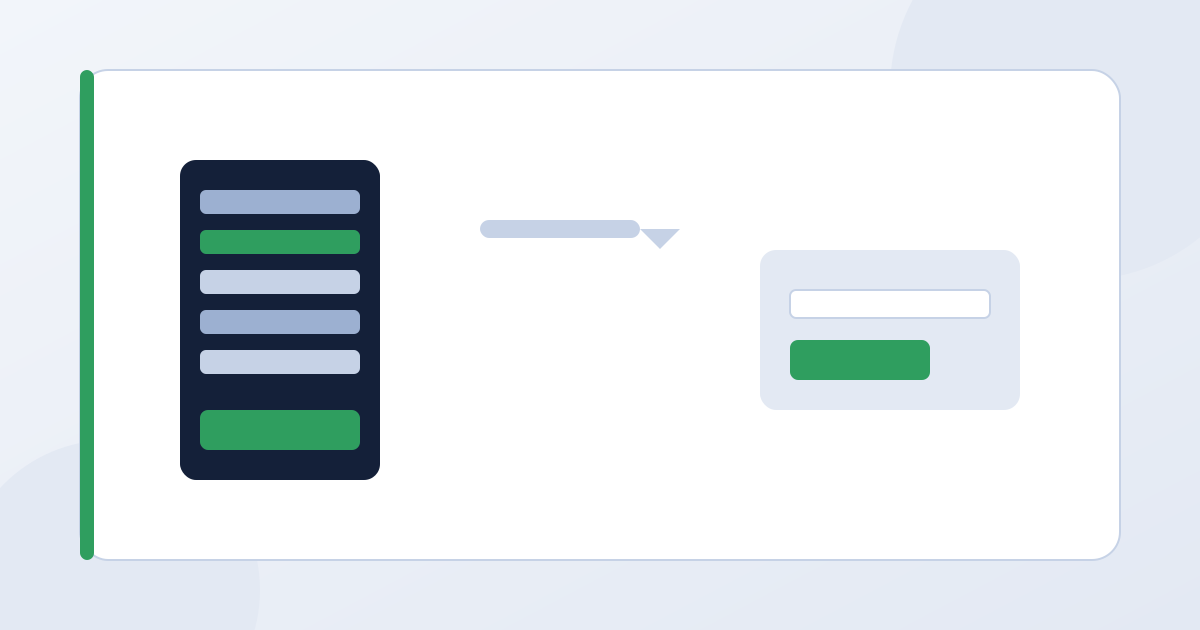
Cost to company (CTC) is the employer’s estimate of what you cost them in a year. Take-home (in-hand) is what is credited after statutory deductions, tax and anything the employer holds back. Mixing the two is how people sign an offer that looks generous and then cannot cover rent.
This article unpacks a typical Indian private-sector structure. It is not your offer letter, and it does not calculate your tax.
What CTC usually contains
Employers package different things under CTC. Read the annexure, not the headline.
Common blocks:
- Fixed pay: basic, HRA, special allowance and other monthly components.
- Retirals the employer pays: the employer’s provident-fund contribution, and sometimes a gratuity provision.
- Benefits: group medical or term cover whose premium is counted as cost to the company.
- Variable pay: performance bonus, joining bonus, stock units shown at an assumed value.
Employer PF is money that may reach your EPFO account, but it is not in your salary credit. Variable pay is a target until it is paid. Equity is not cash until you can sell it under the plan rules.
Gross, net and take-home
People use these words loosely. On many Indian payslips:
- Gross is the sum of monthly earnings before employee deductions.
- Deductions are employee PF, professional tax, ESI if it applies, TDS, and voluntary items such as extra insurance or food coupons.
- Net pay is what the bank transfer should match.
CTC is usually annual. Divide it by 12 only if you know every rupee in it is monthly cash. Often it is not.
Deductions that actually leave the payslip
Employee provident fund. Where EPF applies, a share of wages (subject to the wage ceiling the establishment uses) is deducted from you and a share is paid by the employer. The member passbook on EPFO’s site is the record, not a verbal HR summary.
Professional tax. A state levy in some states, usually a small monthly amount once income crosses that state’s threshold.
ESI. Applies only if the establishment and your wages fall under the Employees’ State Insurance Act. If it applies, both employee and employer contribute.
Income tax (TDS). The employer estimates annual tax and deducts it in instalments. The estimate is not your final tax. Form 16 and Form 26AS are where you reconcile it.
Components that look like pay but are not monthly cash
- HRA is part of taxable salary unless you actually pay rent and claim the exemption the law allows, in the regime that still permits it.
- Reimbursements (fuel, phones, meals) are cash only when you submit bills under the policy.
- Meal or gift vouchers reduce net pay if they are deducted, even if you value the voucher.
- Gratuity in CTC is usually a provision. Payment depends on the Payment of Gratuity Act and your service, not on the CTC line.
None of this is a reason to ignore the offer. It is a reason to build the household plan from the credit advice in the bank statement.
How to read an offer without fooling yourself
- Split fixed monthly cash, annual variable, retirals, and benefits.
- Ask whether variable is a target or a guaranteed amount, and in which month it is paid.
- Ask whether PF is on basic only or on a larger wage, and whether the statutory ceiling is used.
- Estimate TDS using the tax department’s calculator, or ask payroll for a sample payslip, rather than assuming zero tax.
- Write the number that will probably hit the bank in a normal month. That is the input to financial goals.
If two offers have the same CTC, the better one for cash flow is often the one with more fixed pay and fewer paper components.
After you join
Download every payslip. Match net pay to the bank credit. If they differ, ask payroll before you assume a “bank delay”. Check that PF is appearing in the UAN passbook within a reasonable cycle.
When income changes, update the budget. CTC on LinkedIn is a social number. Households run on take-home.
Sources and further reading
We link to official and primary sources wherever possible. Rules and rates change, so check the latest version on the source website.
- Employees' Provident Fund Organisation — EPFOProvident fund contributions and member passbook.
- Employees' State Insurance Corporation — ESICESI applicability and contributions where the Act applies.
- Income Tax e-Filing Portal — Income Tax Department
- National Centre for Financial Education — NCFE
About the author
FinanceBlogg Editorial Team
Editorial Team
The FinanceBlogg editorial team researches and writes educational explainers on personal finance in India. Articles are based on official sources such as the Reserve Bank of India, SEBI, IRDAI and the Income Tax Department, and are updated when rules change.
View profile and articlesSpotted an error? Read our corrections policy and tell us.
Related articles

How to Set Financial Goals in India
Turn vague money wishes into dated rupee amounts, with Indian examples for EMIs, school fees, festivals, emergency savings and retirement.
· 6 min read

How to Create a Monthly Budget in India
A practical, step-by-step guide to building a monthly budget in India, with a worked example, sinking funds for annual expenses and the limits of popular budgeting rules.
· 7 min read
Common Personal Finance Mistakes and How to Avoid Them
Twelve common money mistakes in India, from skipping an emergency fund to paying only the credit card minimum, and practical ways to avoid each one.
· 6 min read