How to Create a Monthly Budget in India: A Beginner's Guide
By FinanceBlogg Editorial Team
Published 4 min read
Editorially reviewed by FinanceBlogg Editorial Team on . How we review articles
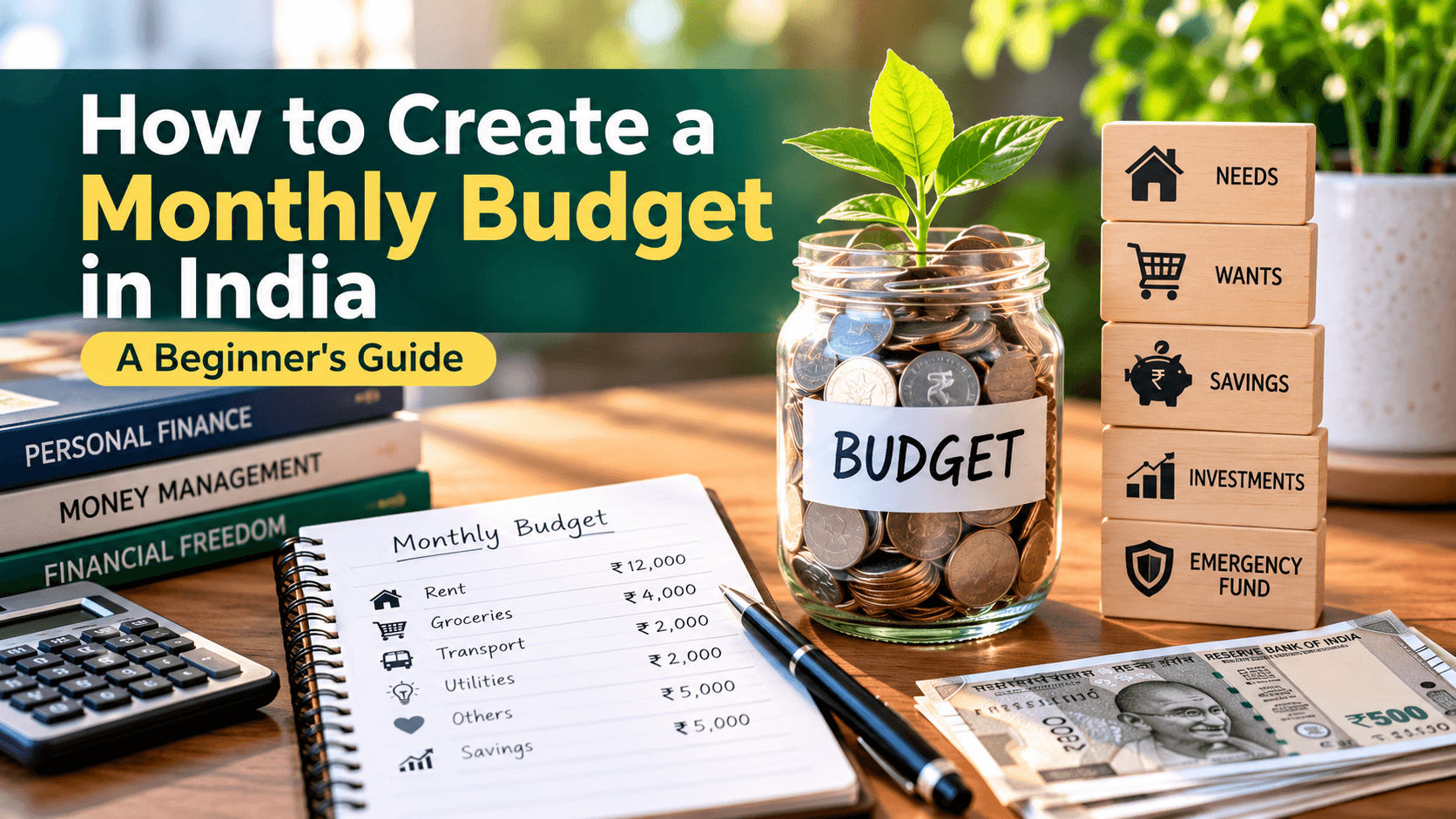
Managing money becomes easier when you know how much you earn, where your money goes and how much you can save. A monthly budget helps you organise your income, control unnecessary expenses and prepare for future financial needs.
You do not need a high salary or complicated software to start budgeting. A notebook, spreadsheet or simple expense-tracking app can be enough.
In this guide, we explain how to create a monthly budget in India with practical examples and easy steps. What Is a Monthly Budget? A monthly budget is a plan for allocating your income across essential expenses, savings, debt repayments and personal spending.
For example, someone earning ₹40,000 per month might need to pay rent, buy groceries, travel to work, pay utility bills and save for emergencies. A budget helps distribute that income before the money gets spent.
The purpose is not to stop every enjoyable purchase. It is to make sure your spending supports your priorities. Step 1: Calculate Your Monthly Take-Home Income Start with the amount you actually receive in your bank account after applicable deductions.
If your salary package includes employer contributions, bonuses or other components that are not received every month, do not automatically treat the full CTC as spendable income.
If you are self-employed or freelance, estimate your reliable monthly income after setting aside money for business expenses and applicable taxes. Step 2: Track Your Expenses Review your bank statements, UPI transactions, credit card bills and cash spending for at least one month.
Divide your expenses into three groups:
- Needs: Rent, groceries, electricity, transport and essential healthcare.
- Wants: Restaurant meals, entertainment, shopping and subscriptions.
- Financial priorities: Emergency savings, investments and debt repayment. This exercise can reveal small recurring expenses that add up over time. Step 3: Choose a Budgeting Method One popular method is the 50/30/20 budgeting rule. It divides take-home income into needs, wants and savings or debt repayment. Category Illustrative share On ₹40,000 Needs 50% ₹20,000 Wants 30% ₹12,000 Savings and debt goals 20% ₹8,000
These percentages are a starting point, not a compulsory formula. If you live in a city with high rent, essential expenses might exceed 50%. You can adjust the plan to fit your actual circumstances. Step 4: Pay Yourself First Instead of saving whatever remains at the end of the month, set a realistic savings target when your income arrives.
You could arrange an automatic transfer to a separate savings account after payday. Keep money for regular bills and near-term needs accessible, and avoid investing emergency money in assets that can fluctuate significantly. Step 5: Build an Emergency Fund An emergency fund can help cover unexpected expenses such as medical bills, essential repairs or a temporary loss of income.
A common starting target is three to six months of essential expenses, although people with irregular income or dependants may need a different amount.
If your essential monthly expenses are ₹20,000, three months would equal ₹60,000 and six months would equal ₹1,20,000.
You do not need to save the full amount immediately. Start with a manageable contribution and build the fund gradually. Step 6: Review Your Budget Every Month Compare planned expenses with actual spending. If grocery costs rise or an annual insurance premium becomes due, adjust your budget instead of abandoning it.
Look for practical improvements, such as cancelling unused subscriptions, comparing service plans or planning purchases in advance. Common Budgeting Mistakes to Avoid
- Setting unrealistic savings targets.
- Forgetting annual and irregular expenses.
- Treating credit card limits as additional income.
- Ignoring debt interest and repayment dates.
- Giving up after one month of overspending. Frequently Asked Questions How much of my salary should I save every month? There is no universal percentage. Start with an amount you can sustain after essential expenses and debt obligations, then increase it when your income allows. Is the 50/30/20 rule suitable for everyone in India? No. It is a guideline. Household size, rent, city, income stability and existing debt can all change the appropriate allocation. What is the first financial goal for a beginner? Start by understanding your spending, keeping essential bills current and building an emergency reserve appropriate to your circumstances. Final Thoughts A monthly budget is a practical way to make informed financial decisions. Start with your take-home income, track your expenses and choose a savings target that you can maintain. Consistency matters more than creating a perfect budget on the first attempt.
Disclaimer: This article is for general educational purposes only and is not personalised financial advice.
About the author
FinanceBlogg Editorial Team
Editorial Team
The FinanceBlogg editorial team researches and writes educational explainers on personal finance in India. Articles are based on official sources such as the Reserve Bank of India, SEBI, IRDAI and the Income Tax Department, and are updated when rules change.
View profile and articlesSpotted an error? Read our corrections policy and tell us.
Related articles

How the Public Provident Fund Works in India
How the Public Provident Fund works in India: tenure, yearly limit, interest, withdrawals, tax treatment and who it suits.
· 5 min read

How Recurring Deposits Work
How a recurring deposit works in India, how interest is applied, how RDs differ from FDs and SIPs, and what to check on tenure, TDS and premature closure.
· 6 min read

Emergency Funds: How Much Should You Save?
How to size an emergency fund for your household in India, why three to six months is only a starting point, and where to keep the money safely.
· 6 min read