How to Save Money on Everyday Expenses in India: 15 Practical Ways That Actually Work
By FinanceBlogg Editorial Team
Published 12 min read
Editorially reviewed by FinanceBlogg Editorial Team on . How we review articles

How to Save Money on Everyday Expenses in India: 15 Practical Ways That Actually Work
Saving money does not always require earning more or making major lifestyle changes. Sometimes, the biggest improvement comes from understanding where your everyday money goes and making small, consistent changes to your spending habits.
For many Indian households, regular expenses such as groceries, electricity, mobile recharges, transportation, food delivery, shopping and subscriptions can consume a significant part of monthly income.
The challenge is that these expenses often appear small individually. However, when repeated throughout the month, they can become a substantial amount.
The good news is that you do not have to stop enjoying your lifestyle to save money. With a few practical adjustments, you can reduce unnecessary spending, manage household expenses and build savings gradually.
In this guide, we will explore 15 practical ways to save money on everyday expenses in India, along with examples and a simple plan you can start following today.
Why Do Everyday Expenses Reduce Your Savings?
Many people focus on major expenses such as rent, school fees, EMIs and insurance. However, smaller purchases can also affect their ability to save.
Consider these common examples:
- Ordering food online several times a week.
- Buying groceries without checking what is already available at home.
- Keeping unused subscriptions active.
- Choosing convenience purchases without comparing prices.
- Paying late fees because bills are forgotten.
- Running electrical appliances longer than necessary.
One purchase may not seem expensive. But repeating the same spending habit every week can make a difference to your monthly budget.
The first step towards saving money is not cutting every expense. It is identifying which expenses provide genuine value and which ones can be reduced.
15 Practical Ways to Save Money on Everyday Expenses in India
1. Plan Your Monthly Grocery Shopping
Groceries are among the regular expenses for Indian families. Shopping without a list can lead to unnecessary purchases and food waste.
Before visiting a supermarket or ordering groceries online, check your kitchen inventory.
Make a list of essential items such as:
- Rice, wheat flour and pulses.
- Cooking oil and basic spices.
- Milk and dairy products.
- Vegetables and fruits.
- Household cleaning products.
Buy quantities based on actual consumption rather than attractive bulk discounts.
For example, purchasing a large quantity of a product that expires before you use it is not a saving.
Practical tip: Set a weekly grocery budget and compare the final price, including delivery charges, across available shopping options.
2. Reduce Food Delivery Expenses
Food delivery applications make ordering convenient, but frequent orders can increase monthly spending.
Apart from the food price, customers may pay delivery charges, platform fees, packaging charges and applicable taxes.
Instead of ordering automatically whenever you feel hungry, plan meals in advance.
Try these habits:
- Prepare simple meals at home.
- Keep basic ingredients available.
- Carry homemade lunch to work when practical.
- Reserve restaurant orders for planned occasions.
- Compare the final checkout price before placing an order.
You do not need to stop ordering food completely. Reducing unnecessary orders can help control spending.
3. Review Your Electricity Consumption
Electricity bills can be a significant household expense, particularly during hot Indian summers.
A few simple habits can help:
- Switch off lights and fans when rooms are not being used.
- Use natural daylight whenever possible.
- Set air conditioners at a comfortable temperature rather than unnecessarily low settings.
- Clean AC filters according to the manufacturer's instructions.
- Avoid leaving electronic devices running when not required.
- Compare the energy efficiency of appliances before purchasing them.
When buying a new refrigerator, air conditioner or other covered appliance, check its Bureau of Energy Efficiency (BEE) star label.
BEE's Standards and Labelling programme helps consumers compare appliance energy performance and make more informed purchasing decisions.
Official reference: https://www.beeindia.gov.in/ (opens in a new tab)
4. Cancel Unused Subscriptions
Digital subscriptions can quietly become recurring expenses.
Check your bank statements, UPI AutoPay mandates and payment applications for recurring payments.
Review services such as:
- Video and music streaming.
- Paid mobile applications.
- Cloud storage.
- Premium memberships.
- Online learning platforms.
- Software subscriptions.
Ask yourself whether you have actually used each service during the last month.
Cancel subscriptions that no longer provide sufficient value. Before cancelling, check the renewal date and cancellation terms.
5. Compare Mobile Recharge and Internet Plans
Mobile and broadband expenses are regular costs for most Indian households.
However, many people continue using the same recharge plan without checking whether it matches their actual requirements.
Compare plans based on:
- Data requirements.
- Calling benefits.
- Validity period.
- Total cost over the year.
- Additional benefits you genuinely use.
A more expensive plan is not necessarily better if you regularly leave its benefits unused.
Also check whether your household needs multiple separate broadband connections or whether one suitable connection is sufficient.
6. Avoid Impulse Shopping
Online shopping platforms make it easy to purchase products immediately.
But buying something simply because it is discounted does not automatically mean you are saving money.
Before purchasing a non-essential item, use a 24-hour waiting rule.
Ask yourself:
- Do I actually need this product?
- Is the purchase already included in my budget?
- Can I find the same product at a better total price?
- Will I still want it tomorrow?
For expensive non-essential purchases, consider waiting several days before making a decision.
This simple habit can help reduce unnecessary shopping.
7. Use a Shopping List Before Visiting Stores
Shopping without a list often leads to additional purchases.
Whether you visit a local market, supermarket or online store, decide what you need before shopping.
Separate your list into three groups:
- Essential items.
- Items that can wait.
- Optional purchases.
Purchase essential items first. Only consider optional items if they fit within your budget.
This approach makes it easier to distinguish between needs and wants.
8. Reduce Transportation Costs
Daily transportation can consume a considerable part of a monthly budget.
Depending on your location and routine, consider:
- Using public transportation where convenient.
- Sharing rides with colleagues.
- Combining multiple errands into one trip.
- Planning routes to avoid unnecessary travel.
- Maintaining your two-wheeler or car regularly.
- Comparing the complete cost of different commuting options.
Do not choose a cheaper travel option if it creates safety concerns or unreasonable inconvenience.
The goal is to reduce avoidable transportation costs while maintaining a practical daily routine.
9. Avoid Late Payment Charges
Late fees are avoidable expenses that do not provide any benefit.
Missing payment deadlines for electricity bills, credit cards, broadband or loan EMIs can result in additional charges.
Create reminders for important payment dates.
You can also enable automatic payments for selected recurring bills, provided you:
- Maintain sufficient account balance.
- Review the amount before the debit date.
- Monitor the mandate.
- Check that the payment was completed successfully.
For credit cards, try to pay the full statement balance by the due date rather than relying on minimum payments.
10. Reduce Household Food Waste
Food waste is another overlooked household expense.
Food purchased but never consumed represents money that could have been used elsewhere.
Try these practices:
- Plan meals before purchasing groceries.
- Store vegetables and fruits appropriately.
- Use older ingredients first.
- Prepare realistic food quantities.
- Freeze suitable food items when appropriate.
- Check expiry dates before purchasing packaged products.
A weekly kitchen inventory can help prevent duplicate purchases.
11. Compare Prices Before Making Purchases
The same product may have different prices across different stores and shopping platforms.
Before buying electronics, household products, clothing or other non-essential items, compare:
- Product price.
- Delivery charges.
- Applicable taxes.
- Return conditions.
- Warranty.
- Seller reliability.
Do not choose a seller based only on the lowest advertised price.
A slightly higher price from a reliable seller may provide better overall value.
12. Create a Separate Savings Account or Savings Space
When all your money remains in one account, it can become difficult to distinguish between spending money and savings.
Consider maintaining a separate savings account or another suitable savings arrangement.
After receiving your income:
- Set aside money for essential expenses.
- Allocate your savings amount.
- Keep a reasonable amount for discretionary spending.
- Monitor your balance throughout the month.
Choose an arrangement based on accessibility, charges, deposit protection and your financial requirements.
Do not keep all emergency savings in an account that is difficult to access when needed.
13. Make a Weekly Spending Review
You do not need complicated software to understand your spending.
A notebook or basic spreadsheet can help you record:
- Grocery expenses.
- Food and beverages.
- Transportation.
- Shopping.
- Utility bills.
- Entertainment.
- Other purchases.
At the end of each week, review where your money went.
Look for repeated expenses that could be reduced without affecting essential needs.
A weekly review also helps you identify overspending before the end of the month.
14. Avoid Borrowing for Everyday Lifestyle Expenses
Using credit cards, personal loans or other borrowing options for regular lifestyle purchases can make future budgets more difficult.
Before borrowing, understand:
- Interest rates.
- Processing fees.
- Late payment charges.
- Repayment period.
- Total amount payable.
If you regularly borrow money to pay for groceries, shopping or entertainment, it may be time to review your monthly spending and essential financial commitments.
Borrowing should not become a substitute for a sustainable household budget.
15. Set a Small, Realistic Savings Goal
Saving becomes easier when you have a clear purpose.
Instead of simply saying that you want to save more, choose a specific target.
Examples include:
- Building an emergency fund.
- Saving for annual insurance premiums.
- Preparing for school fees.
- Planning a family trip.
- Creating a fund for household repairs.
Start with an amount that is realistic for your income.
Consistency is more important than choosing an ambitious target that you cannot maintain.
How Much Can You Save Every Month?
Your potential savings depend on your income, existing expenses and spending habits.
Here is an illustrative example of how small monthly expense reductions could add up.
| Expense category | Possible monthly reduction |
|---|---|
| Food delivery | ₹500 |
| Grocery waste and unnecessary purchases | ₹400 |
| Unused subscriptions | ₹200 |
| Electricity usage | ₹250 |
| Transportation | ₹300 |
| Impulse shopping | ₹350 |
| Total illustrative reduction | ₹2,000 |
These figures are examples, not guaranteed savings. Your actual results may be lower or higher depending on your circumstances.
If a household manages to reduce expenses by ₹2,000 every month, the amount retained over 12 months would be ₹24,000, assuming the reduction continues.
The important lesson is that small improvements across several spending categories can make a meaningful difference over time.
A Simple 30-Day Plan to Start Saving Money
You do not have to implement all 15 methods immediately.
Use this simple four-week plan.
Week 1: Understand Your Spending
- Review your previous month's expenses.
- Identify your five largest regular expense categories.
- Check recurring payments and subscriptions.
- Create a basic spending record.
Week 2: Reduce Unnecessary Expenses
- Plan grocery shopping.
- Reduce avoidable food delivery.
- Cancel unused subscriptions.
- Compare mobile and internet plans.
Week 3: Improve Household Habits
- Review electricity usage.
- Reduce food waste.
- Plan transportation.
- Avoid impulse purchases.
Week 4: Build Consistent Savings
- Set a realistic monthly savings target.
- Separate savings from everyday spending money.
- Review your spending record.
- Identify which changes you can maintain.
At the end of 30 days, compare your spending with the previous month. Focus on habits that have made a genuine difference.
Common Money-Saving Mistakes to Avoid
Saving money should improve your financial stability, not make everyday life unnecessarily difficult.
Avoid these common mistakes:
1. Buying unnecessary products because they are discounted: A discount is useful only when the product is genuinely needed.
2. Ignoring quality: Extremely cheap products may need frequent replacement and can cost more over time.
3. Cutting essential expenses: Avoid compromising on necessary healthcare, adequate nutrition, safety or essential insurance.
4. Chasing every cashback offer: Spending more to receive a small reward is not a saving strategy.
5. Setting unrealistic savings targets: A manageable savings habit is more sustainable than an aggressive target that repeatedly fails.
Frequently Asked Questions (FAQs)
1. How can I save money on daily expenses in India?
Start by tracking grocery, transportation, electricity, food delivery and subscription expenses. Reduce unnecessary purchases, compare prices and create a realistic monthly spending plan.
2. How can I save money with a low salary?
Prioritise essential expenses, avoid unnecessary borrowing, control discretionary purchases and start saving even a small affordable amount regularly. Increase the amount when your income allows.
3. What are the biggest daily expenses in an Indian household?
Common household expenses include groceries, rent, electricity, transportation, education, healthcare, mobile and internet services, and food.
The actual spending pattern varies between households, locations and income levels.
4. Is it better to save money weekly or monthly?
Both approaches can work. Weekly savings can help people who receive income frequently or struggle with monthly spending discipline. Monthly savings may be more convenient for salaried individuals.
Choose the schedule you can follow consistently.
5. How much of my salary should I save every month?
There is no single percentage suitable for everyone. Your savings target should depend on income, essential expenses, existing debt and financial responsibilities.
Start with an affordable amount and increase it gradually.
6. How can I reduce grocery expenses without compromising food quality?
Plan meals, prepare a shopping list, compare prices, avoid food waste and purchase seasonal produce where suitable. Do not compromise on food safety or nutrition just to reduce costs.
7. Does cancelling subscriptions really help save money?
Yes, when you cancel services you no longer use. Check recurring payments regularly to identify unnecessary renewals.
Final Thoughts
Saving money on everyday expenses in India does not require extreme sacrifices. It requires awareness, planning and consistency.
Start by understanding where your money goes. Then identify unnecessary spending, make practical changes and set a realistic savings target.
Remember, the purpose of saving is not to stop enjoying life. It is to use your money more intentionally and create greater financial security for the future.
A few better spending decisions today can help you build stronger financial habits over time.
Disclaimer: This article is for general educational purposes only and does not constitute financial, investment, tax or legal advice. Individual expenses and financial circumstances vary. Verify product terms and charges before making financial decisions.
Official References and Further Reading
- Bureau of Energy Efficiency (BEE) (opens in a new tab) – Appliance energy efficiency and star labelling.
- Ministry of Consumer Affairs (opens in a new tab) – Consumer information and awareness.
- FinanceBlogg – How to Create a Monthly Budget in India (opens in a new tab) – Related budgeting content.
Related Articles on FinanceBlogg
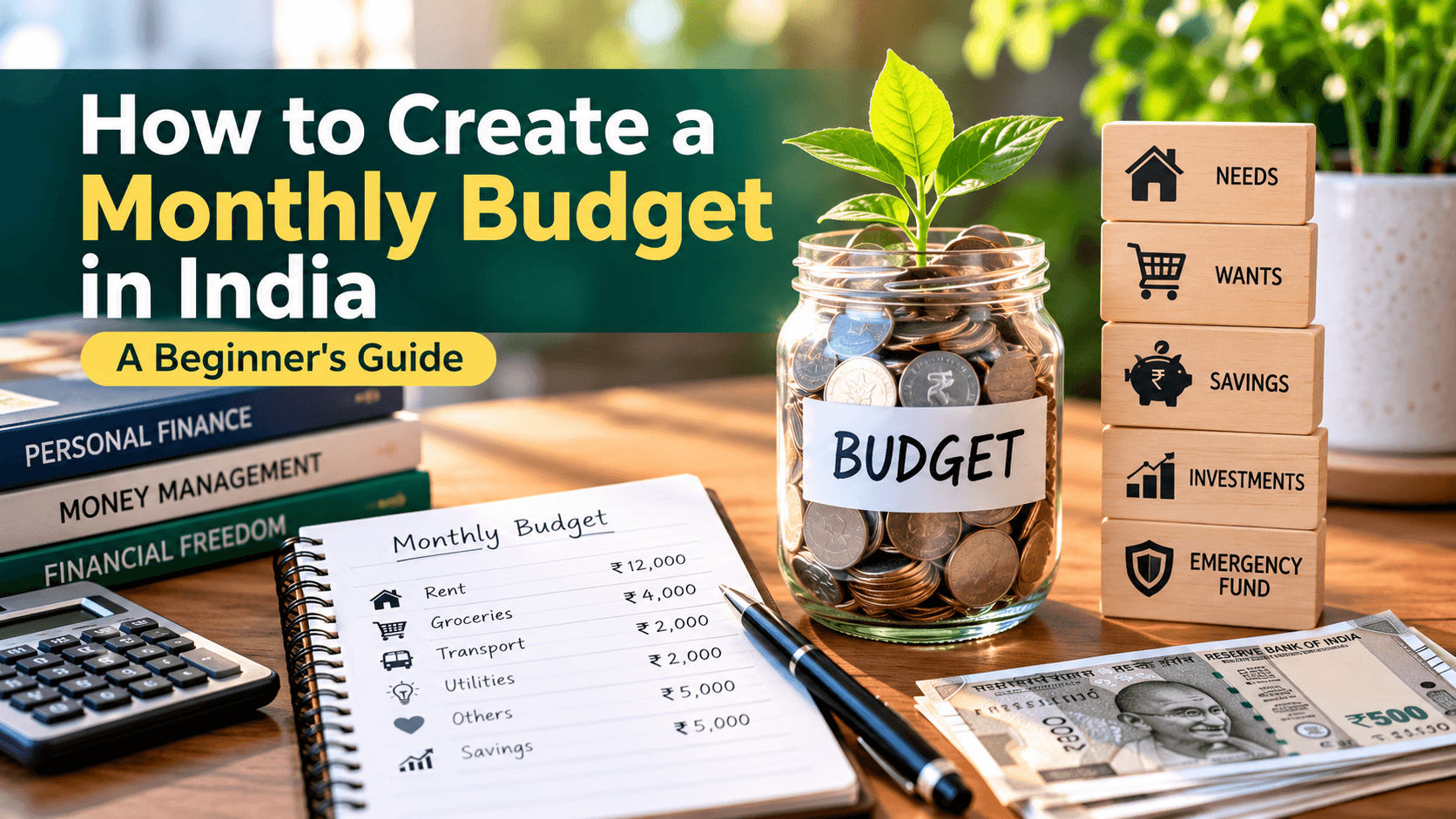
- How to Create a Monthly Budget in India: A Beginner's Guide (opens in a new tab)
- Emergency Funds: How Much Should You Save? (opens in a new tab)
- How to Choose the Right Savings Account in India (opens in a new tab)
Explore more practical money management guides in our Saving Money category.
About the author
FinanceBlogg Editorial Team
Editorial Team
The FinanceBlogg editorial team researches and writes educational explainers on personal finance in India. Articles are based on official sources such as the Reserve Bank of India, SEBI, IRDAI and the Income Tax Department, and are updated when rules change.
View profile and articlesSpotted an error? Read our corrections policy and tell us.
Related articles

How to Save Money on an Irregular Income in India: A Practical Step-by-Step Plan
Learn how to save money on an irregular income in India with a flexible budget, priority-based spending, emergency savings and a simple monthly plan.
· 9 min read
How to Create a Monthly Budget in India: A Beginner's Guide
Learn how to create a monthly budget in India, manage expenses, save money regularly and build better financial habits with a simple step-by-step guide.
· 4 min read
How the Public Provident Fund Works in India
How the Public Provident Fund works in India: tenure, yearly limit, interest, withdrawals, tax treatment and who it suits.
· 5 min read