UPI Payment Failed but Money Debited? Here's What to Do in India
By FinanceBlogg Editorial Team
Published 7 min read
Editorially reviewed by FinanceBlogg Editorial Team on . How we review articles
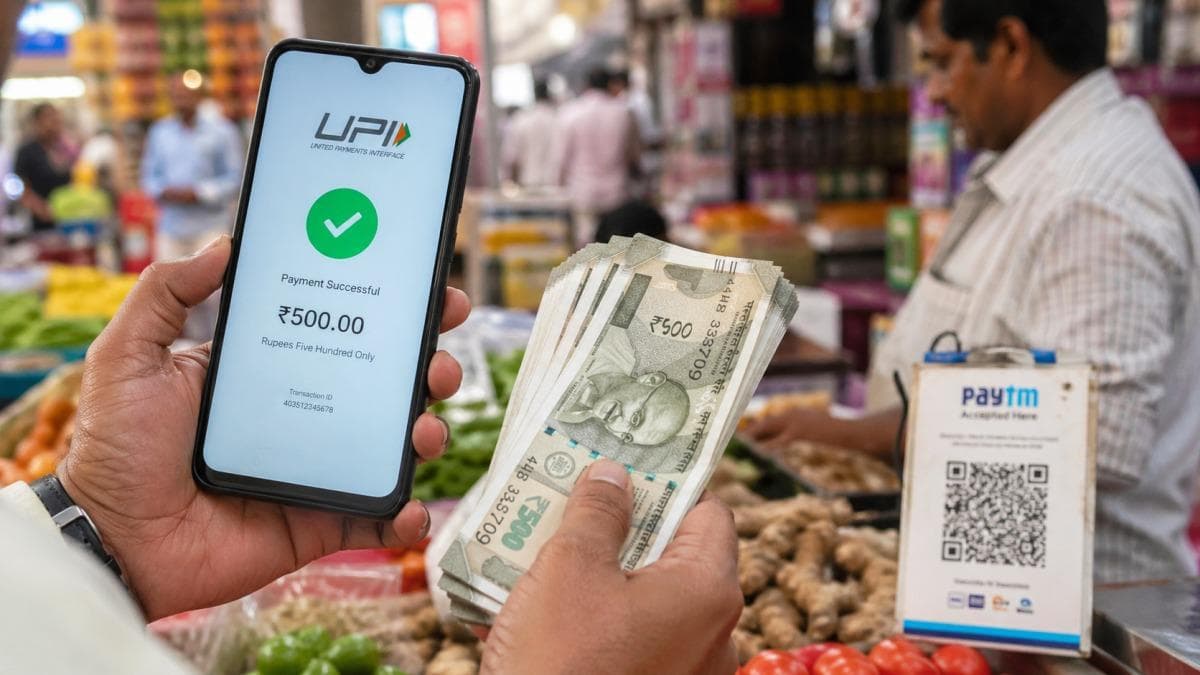
UPI Payment Failed but Money Debited? Here's What to Do in India
UPI has made it easy to transfer money, pay shopkeepers and complete online purchases within seconds. But sometimes a payment shows “Failed” or “Pending” even though the amount has been deducted from your bank account.
This can happen because of connectivity problems, delayed confirmation, bank-server issues or a communication failure between payment systems.
If your UPI payment failed but money was debited, do not immediately repeat the payment. First, check the transaction status, save the transaction details and follow the appropriate complaint process.
This guide explains the practical steps to take when a UPI payment does not complete as expected.
1. Check the Actual Transaction Status
Start by opening the UPI application you used to make the payment.
Find the transaction in your payment history and check whether it is marked:
- Successful
- Failed
- Pending or processing
A pending transaction does not necessarily mean that the payment has permanently failed. The payment status may take time to update.
Next, check your bank statement or transaction history. Confirm the amount, date, recipient and transaction reference.
If the payment appears successful in your app but the recipient says they have not received it, ask the recipient to check their bank account and transaction history rather than relying only on an SMS notification.
2. Do Not Pay Again Until You Verify the Status
One of the most common mistakes is repeating a payment immediately after seeing a failure message.
If the first transaction is still being processed, a second attempt could create a duplicate payment.
Before retrying:
- Check the transaction status in your UPI app.
- Confirm the debit in your bank account.
- Ask the recipient whether the payment arrived.
- Keep the original transaction reference number.
If the original transaction is confirmed as failed, follow the app's instructions before attempting the payment again.
3. How Long Does a Failed UPI Payment Refund Take?
The applicable resolution timeline depends on the type of transaction and the reason it failed.
For example, RBI's harmonised turnaround-time framework provides specific rules for failed digital transactions. For certain UPI fund transfers where the account is debited but the beneficiary account is not credited, the prescribed outer limit for auto-reversal is T+1 day. For certain merchant payments where the account is debited but confirmation is not received at the merchant, the applicable outer limit is T+5 days.
Here, T generally refers to the transaction date. These timelines are not interchangeable: the transaction type matters.
If a reversal is delayed beyond the applicable RBI-prescribed timeline, compensation provisions may apply, subject to the framework and circumstances.
Do not assume that every UPI dispute has the same refund deadline. Consult the current RBI circular and your bank's complaint guidance for your specific transaction.
Official source: https://www.rbi.org.in/ (opens in a new tab)
4. Raise a Complaint in Your UPI App
If the transaction remains unresolved, use the complaint or help option in the app through which you made the payment.
The exact menu names vary by application, but the usual process is:
- Open the transaction details.
- Select Help, Support or Raise a Complaint.
- Choose the relevant issue, such as a failed payment or amount debited.
- Enter the requested details and submit the complaint.
- Save the complaint or ticket number.
Explain the issue clearly. For example:
“My UPI transaction was marked failed, but the amount was debited from my bank account. Please verify the transaction status and initiate the applicable reversal or resolution process.”
Keep screenshots of the status and the complaint acknowledgement. Do not include your UPI PIN, OTP or complete card credentials in a complaint message.
5. Contact Your Bank if the Issue Is Not Resolved
Your bank is an important point of contact when money has been debited from your account.
Contact the bank through its official mobile application, website, branch or verified customer-care number.
Provide the following information where requested:
- Transaction date and approximate time
- Amount debited
- UPI transaction reference number
- Recipient or merchant details
- UPI app used
- Complaint number from the app, if available
Ask the bank to confirm whether the transaction was successful, pending or failed, and whether a reversal has been initiated.
If you contact customer support by phone, never disclose your PIN, OTP or password to the person assisting you.
6. What If the Recipient Has Not Received the Money?
The next step depends on what the transaction records show.
If the transaction failed: Follow the reversal process applicable to that transaction type and monitor the bank account.
If the transaction is pending: Wait for the system to resolve the status and check for an official update. Avoid duplicate payments until the status is clear.
If the transaction is successful: Ask the recipient to verify the credit with their bank. If the recipient still cannot identify the credit, raise a transaction dispute with your UPI app and bank.
If you paid a merchant: Keep the order number, invoice and merchant communication alongside your UPI transaction reference.
These records make it easier for the bank or payment provider to investigate the issue.
7. How to Escalate an Unresolved UPI Complaint
If your complaint remains unresolved, follow the applicable grievance process.
First, use the payment app's escalation channel and your bank's formal complaint procedure. Keep each complaint reference and the date you submitted it.
If the issue remains unresolved after the applicable waiting period, you may be able to escalate it through the relevant payment-system grievance mechanism or the Reserve Bank of India's Complaint Management System under the RBI Integrated Ombudsman Scheme, subject to eligibility and procedural requirements.
Official RBI complaint portal: https://cms.rbi.org.in/ (opens in a new tab)
Read the eligibility conditions and escalation rules before submitting a complaint. Keep your supporting documents ready.
8. What If You Suspect UPI Fraud?
A failed payment is not necessarily fraud. However, if you notice an unauthorised transaction or believe someone has tricked you into sending money, act immediately.
- Contact your bank through its official channel.
- Report the transaction to your UPI app.
- Preserve transaction records, messages and relevant evidence.
- Report suspected cyber financial fraud through India's official cybercrime reporting channels or call 1930 as soon as possible.
Quick reporting can help initiate the appropriate response, although recovery is not guaranteed.
Never share an OTP, UPI PIN or screen-sharing access with someone claiming to help you obtain a refund. You do not need to enter your UPI PIN merely to receive money.
Frequently Asked Questions
What should I do if money is deducted but the UPI payment fails?
Check the transaction status, verify the debit in your bank account, save the reference number and raise a complaint through the UPI app or bank if needed.
Will failed UPI payments automatically be refunded?
Certain failed transactions are subject to automatic reversal under the applicable rules. If the reversal does not arrive within the relevant timeline, contact the bank and raise a formal complaint.
Can I complain to the RBI about a failed UPI transaction?
You may be eligible to escalate an unresolved complaint through the RBI's grievance mechanism after following the applicable complaint process and waiting period.
Is it safe to share my UPI transaction ID?
A transaction reference may be needed to investigate a payment. Share it only through legitimate support channels. Never share your UPI PIN, OTP or banking password.
Should I retry a failed UPI payment?
First confirm that the original transaction has failed and that the recipient has not received the money. Retrying a pending transaction may lead to a duplicate payment.
Final Thoughts
A failed UPI payment can be stressful, but checking the transaction status and following the correct complaint process can help you resolve the issue.
Keep your transaction reference, avoid unnecessary repeat payments and contact your bank promptly if the debit remains unexplained. For delayed reversals, refer to the RBI's applicable turnaround-time rules rather than relying on a generic refund estimate.
Disclaimer: This article is for general educational purposes. Transaction-specific outcomes and timelines depend on the applicable rules and the details of the payment.
About the author
FinanceBlogg Editorial Team
Editorial Team
The FinanceBlogg editorial team researches and writes educational explainers on personal finance in India. Articles are based on official sources such as the Reserve Bank of India, SEBI, IRDAI and the Income Tax Department, and are updated when rules change.
View profile and articlesSpotted an error? Read our corrections policy and tell us.
Related articles

What Deposit Insurance Covers in India
How DICGC deposit insurance works in India: the ₹5 lakh limit, what is covered, what is not, and how accounts are counted across branches.
· 5 min read

How Bank Account Nomination Works in India
How nomination on Indian bank accounts works, what a nominee can do, how it differs from a will, and how to add or change a nominee.
· 5 min read
Savings Account vs Fixed Deposit: Which Should You Use, and When?
How savings accounts and fixed deposits differ on interest, liquidity, premature withdrawal, tax and DICGC deposit insurance, with a worked example and when to use each.
· 7 min read